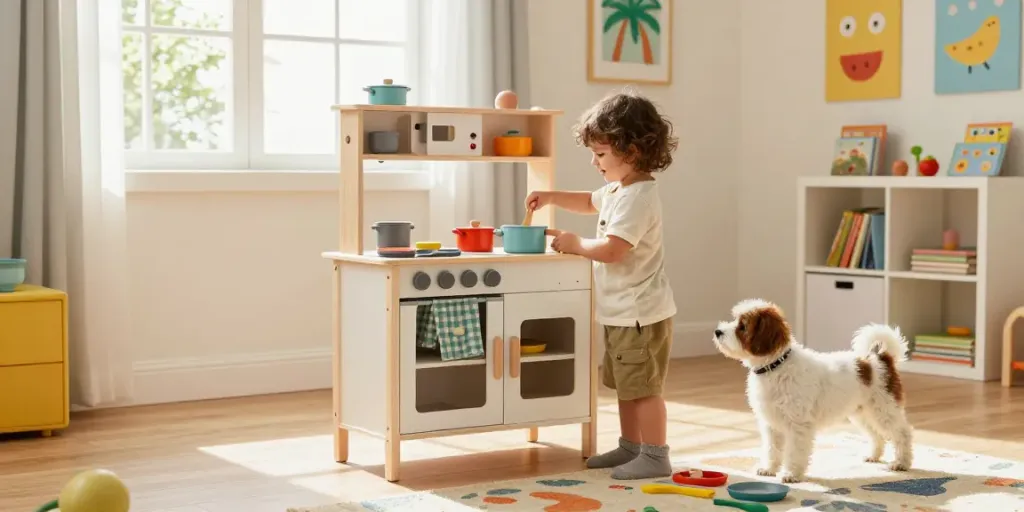
Understanding the Benefits of a Wooden Kitchen
In today’s world of toys and playsets, wooden kitchens have emerged as a front-runner, capturing the imagination of children and parents alike. These beautifully crafted play kitchens not only serve as a catalyst for imaginative play but also offer numerous developmental benefits. The tactile nature of wood, its durability, and its aesthetic appeal make wooden play kitchens a preferred choice among discerning parents looking to provide enriching play experiences. Additionally, when exploring options, wooden kitchen sets come with features that cater to various developmental milestones in young children.
Why Choose Wooden Over Plastic Kitchen Sets?
When it comes to choosing a play kitchen, parents often debate between wooden and plastic options. Wooden kitchens have several advantages over their plastic counterparts. Firstly, they are often sturdier, ensuring they can withstand the rough and tumble of active play. Unlike plastic, which can wear down and lose its charm over time, wood tends to age gracefully, often becoming a cherished item that can be passed down through generations.
- Durability: Wooden kitchens are less prone to breakage and can last for years.
- Aesthetic Appeal: The natural look of wood adds a beautiful touch to playrooms or nurseries.
- Safety: Many wooden toy manufacturers utilise non-toxic, child-safe finishes, making them safer for little ones.
The Educational Value of Role-Playing with Wooden Kitchens
Role-playing is a vital aspect of childhood development, and wooden kitchens provide a platform for children to engage in this type of imaginative play. Pretend cooking and serving meals help kids explore real-life scenarios, encouraging creativity and problem-solving skills. Children learn life skills, such as sharing and cooperation, as they engage in cooking scenarios together. Moreover, these playsets can introduce children to the concept of nutrition and healthy eating habits in a fun and engaging manner.
Eco-Friendly Aspects of Wooden Kitchen Toys
As awareness surrounding environmental issues grows, many parents are seeking eco-friendly toys for their children. Wooden play kitchens are typically made from sustainably sourced materials, making them a greener choice compared to plastic toys. Many brands have committed to environmentally friendly production processes, using natural stains and finishes that are safe for children and the planet.
Choosing the Right Wooden Kitchen for Your Child
With an abundance of wooden kitchen options available, selecting the right one for your child can feel overwhelming. However, understanding your child’s needs and preferences can simplify the decision-making process significantly.
Factors to Consider When Selecting a Wooden Kitchen
Several factors should be taken into account when choosing a wooden kitchen set. Consider the following:
- Age Appropriateness: Ensure the kitchen is suitable for your child's age group, with elements that are challenging yet safe.
- Space Requirements: Measure your available space to ensure the kitchen fits comfortably.
- Features: Look for kitchens that include realistic features like working knobs, storage spaces, and accessories.
Top Features to Look for in Quality Wooden Kitchens
When assessing the quality of wooden kitchens, several features stand out:
- Durable Construction: Ensure the materials used are robust and well-finished.
- Realistic Details: Items like hobs, sinks, and utensils add to the immersive experience.
- Customisation Options: Some kitchens allow for personalisation, letting children express their creativity.
A Comparison of Popular Wooden Kitchen Brands
There are numerous brands on the market that offer exceptional wooden kitchens. Brands like KidKraft, Hape, and Melissa & Doug are celebrated for their quality craftsmanship and innovative designs. Each brand offers unique features, enabling parents to select one that aligns with their child's interests and developmental needs.
Maximising Playtime with Your Wooden Kitchen
Once you have selected the ideal wooden kitchen for your child, the next step is to maximise their playtime experience. Here are some creative ideas to get started:
Creative Play Ideas to Enhance Imagination
Encourage imaginative play by incorporating a variety of themes into kitchen play. For example, set up a 'restaurant' day where kids can take turns being the chef, waiter, and customer. This not only fosters creativity but also helps with social skills as they engage in role-play with peers or family members.
Incorporating Learning Through Cooking Play
Use kitchen play as a learning opportunity. Involve your child in discussions about healthy eating, the food pyramid, and where different foods come from. You can even use real recipes to translate the learning experience from playtime to practical application in the kitchen.
How to Organise a Play Kitchen Environment
A well-organised play kitchen can enhance the creative experience. Create designated areas for cooking, serving, and cleaning up. Use low baskets for storing accessories, keeping everything within reach and easy to find. This not only teaches organisation but also encourages responsibility in children.
Maintenance and Care for Wooden Kitchens
Proper maintenance ensures that wooden kitchens remain safe and enjoyable for years. Luckily, caring for these toys is straightforward.
Best Practices for Cleaning Wooden Toys
Wooden kitchen sets should be cleaned regularly to maintain hygiene and appearance. Use a damp cloth with mild soap to wipe down surfaces, avoiding harsh detergents that could damage the wood. Be sure to dry the kitchen thoroughly after cleaning.
Repairing and Maintaining Your Wooden Kitchen Set
Should any parts become damaged, repairing wooden kitchens can often be done with wood glue or screws for stability. Regularly inspect the kitchen for loose parts or wear and address these issues promptly to ensure continued safe play.
When to Replace Wooden Kitchen Accessories
Over time, accessories may become worn or damaged. It’s important to replace these items to ensure a safe and enjoyable play experience. If any accessories splinter or break, they should be discarded immediately to prevent injury.
The Future of Wooden Play Kitchens
The landscape of play kitchens is evolving, influenced by trends and societal changes. Let’s explore what the future holds for these beloved toys.
Trends in Wooden Kitchen Designs for 2026
In 2026, we can expect to see more multifunctional wooden kitchens that incorporate various play aspects, such as combining kitchen play with activity stations or art centres. Sustainable design practices will likely remain a priority, with a focus on minimalistic, space-saving solutions for modern homes.
The Role of Technology in Modern Play Kitchens
As technology becomes increasingly integrated into play, we may see wooden kitchens equipped with augmented reality (AR) features, enabling interactive cooking experiences that blend digital engagement with traditional play. Such innovations can enrich imaginative play and learning opportunities for children.
Community Insights and Parent Experiences with Wooden Kitchens
Many parents swear by the benefits of wooden kitchens, citing how they encourage creativity and critical thinking in their children. Communities often share tips on enhancing play experiences and maintaining the quality of these toys, offering a wealth of insights for those looking to invest in a wooden kitchen for their little ones.
What age is a wooden kitchen good for?
Wooden kitchens typically suit children aged 3 and above. The designs are often safely constructed with smaller children in mind but always check specific age recommendations from manufacturers.
Are wooden kitchens on trend?
Yes, wooden kitchens remain a popular choice due to their timeless appeal and the growing demand for sustainable products among parents.
How much is the Aldi wooden kitchen?
The Aldi wooden kitchen set generally retails around £60, offering a quality option for budget-conscious families.
What should I look for in a wooden kitchen?
When selecting a wooden kitchen, consider durability, safety features, and realistic elements that will enhance your child’s play experience.
Do wooden kitchens require any special care?
Wooden kitchens do not require extensive care, but regular cleaning and periodic inspections for wear are recommended to keep them in good condition.